Armenian Diaspora Faces Identity Challenge After Success
Can the Armenian Diaspora survive success?
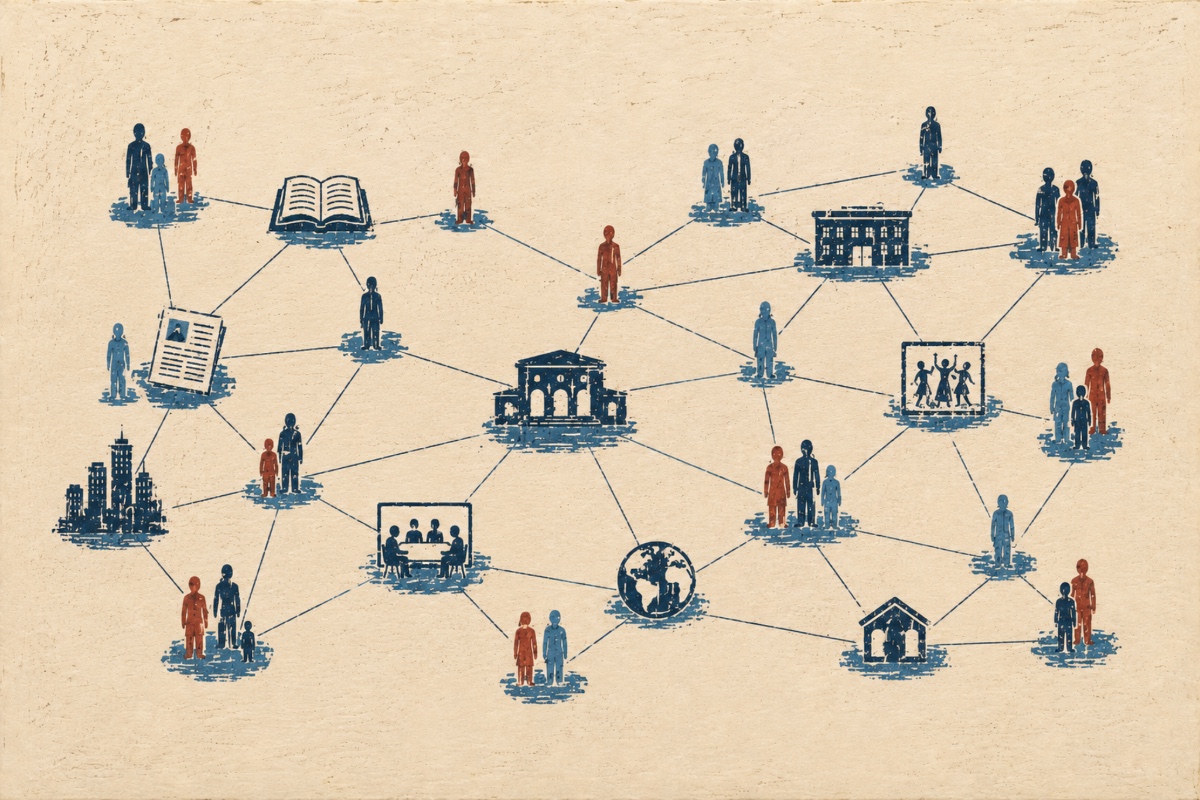
An essay in The Armenian Weekly examines a paradox confronting Armenian diaspora communities: institutional success has created new challenges for collective identity.
For much of the 20th century, Armenian diaspora institutions—schools, churches, newspapers, and cultural organizations—served as survival mechanisms following the Armenian Genocide, enabling dispersed populations to preserve language, memory, and identity across generations.
However, as Armenian communities became increasingly integrated into host societies through education, economic advancement, and social mobility, the conditions that sustained traditional diaspora institutions fundamentally changed. Younger generations now face residential mobility, expanded social networks beyond Armenian communities, and increased intermarriage.
The article argues this represents less a crisis of decline than a crisis produced by success itself, raising the question: what sustains collective Armenian identity when survival is no longer the primary concern?