How Armenian-American Communities Built Enduring Institutions
The loss of community churches: Prosperity has a price
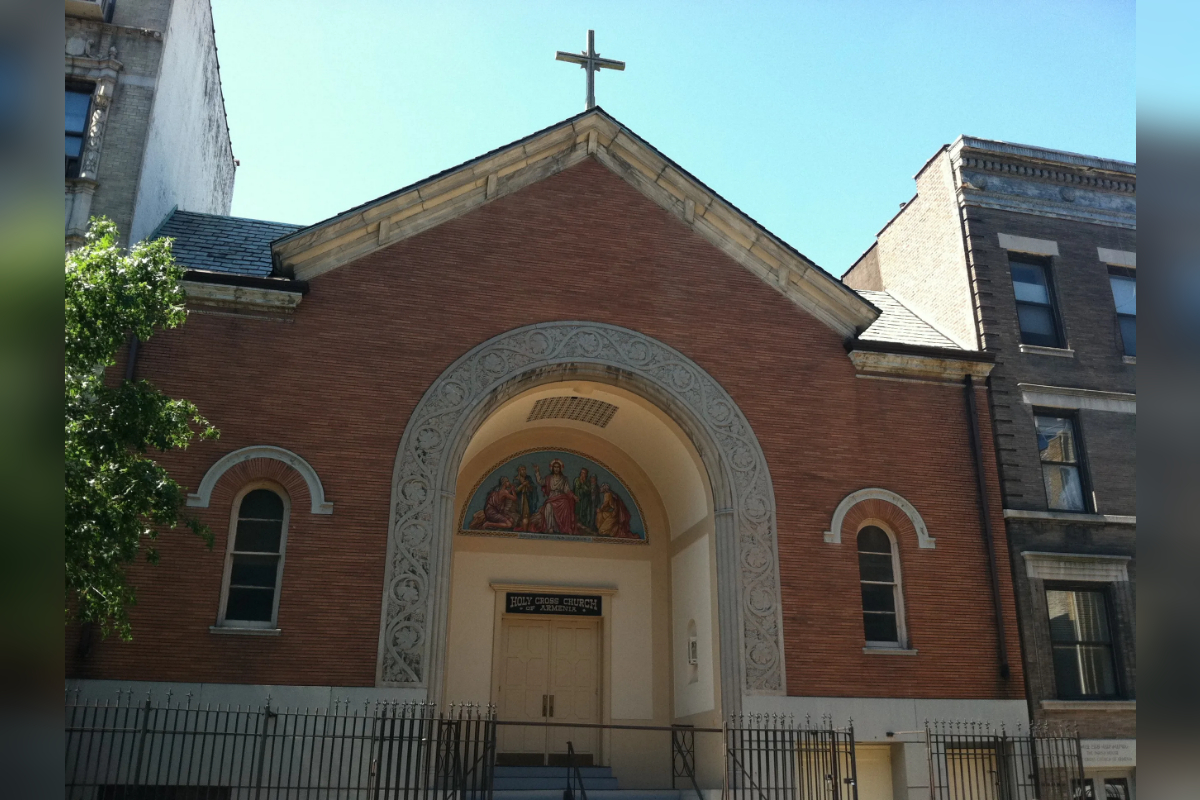
An Armenian Weekly article traces the formation of Armenian-American community infrastructure in the early 20th century, using the Indian Orchard, Massachusetts community as a case study.
The article describes how Armenian immigrants initially arrived as single men seeking work in factories and foundries, forming informal social clubs. After World War I and the genocide, survivors returned with families and a permanent mindset, transforming temporary social organizations into churches and schools that preserved language and culture for subsequent generations.
The author recounts his grandfather's experience—arriving in 1913 as an 18-year-old from Sepastia, joining the Armenian Legionnaires during WWI, and returning to Indian Orchard with rescued siblings. Similar patterns repeated across America's manufacturing centers, creating dense Armenian neighborhoods where institutions became anchors for family life and ethnic identity.