Gostan Zarian's "Three Songs": A Literary Legacy
The meaning behind Gostan Zarian’s “Three Songs”
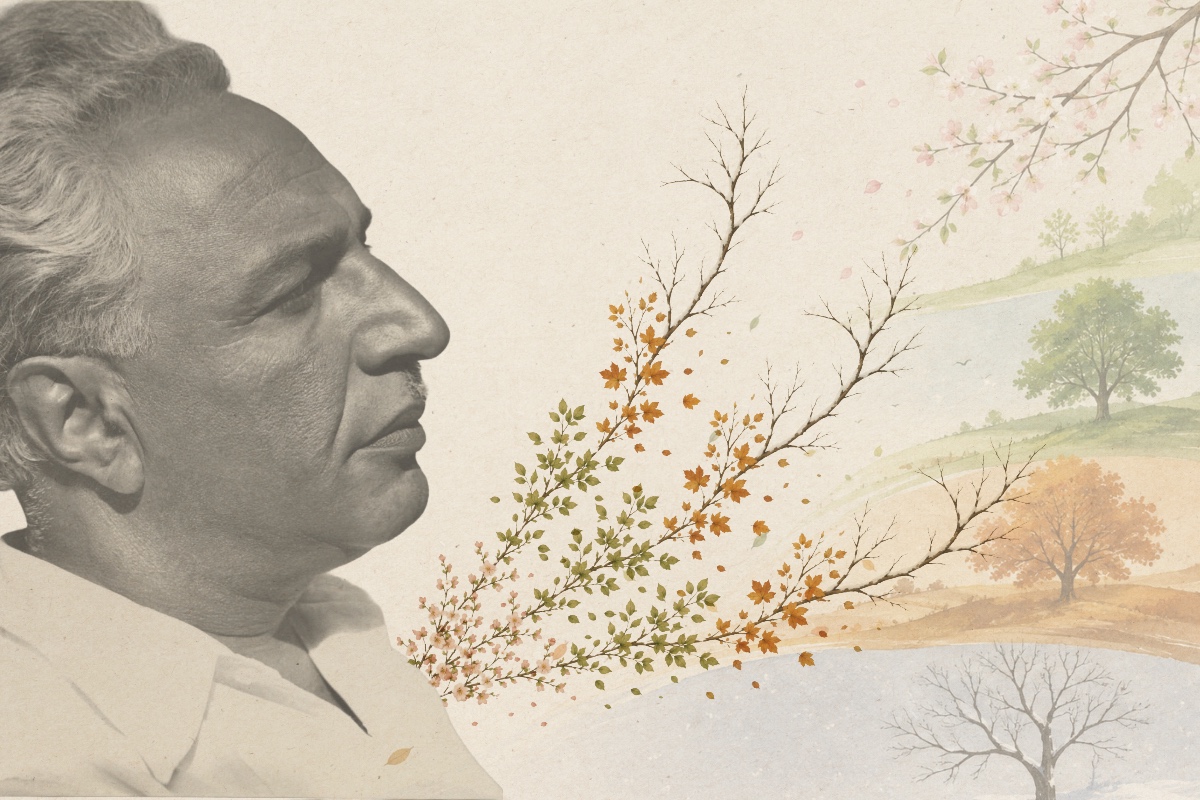
Gostan Zarian, a prominent 20th-century Armenian writer who worked across multiple languages and countries, composed "The Sorrow of the Earth and the Sorrow of Heaven for Singing Three Songs" in response to World War I's devastation. Originally written in French and published in Italian in the Milan journal L'Eroica, the poem earned widespread acclaim from literary figures including Rabindranath Tagore and Miguel de Unamuno. Italian composer Ottorino Respighi later adapted it into an oratorio. While living in Rome, Zarian became an advocate for oppressed peoples, personally appealing to Pope Benedict XV regarding the Armenian Genocide. The poem, structured as four seasonal "counsels," moves from spring's hope through autumn's violence and massacre, reflecting on human suffering and existence while questioning divine purpose.