Archaeological Excavations at Shamiram Reveal Armenia's Ancient History
Excavations at Shamiram reveal new insights into Armenia’s ancient past
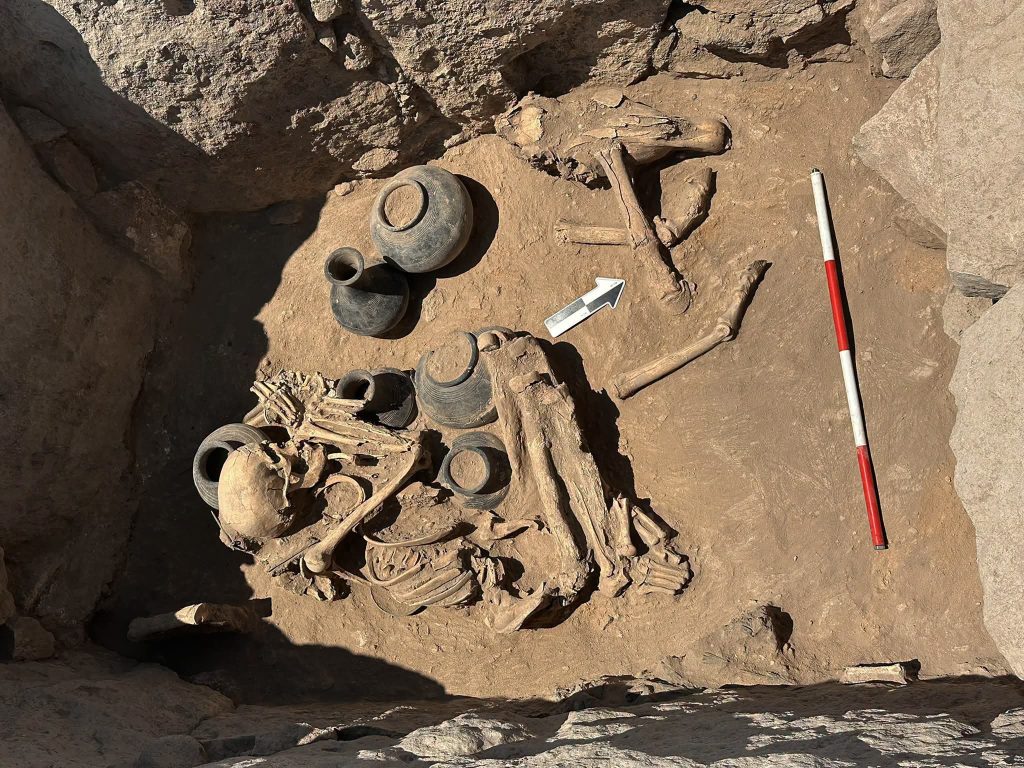
A joint Armenian-Italian archaeological mission has completed its 2026 field season at the Shamiram site in Armenia's Aragatsotn Province, uncovering significant findings spanning multiple historical periods.
The excavation, conducted by Armenia's Institute of Archaeology and Ethnography and Italy's ISMEO, confirmed the site's continuous occupation from the Late Bronze Age through medieval times. Key discoveries include a monumental Late Bronze Age tomb with stone circles, bronze weapons, and the remains of a ritually sacrificed horse—offering insights into ancient burial customs and elite practices.
Archaeologists also identified pre-Urartian structures, including a Middle Iron Age room destroyed by fire, and confirmed the monumental scale of Urartian military architecture through Tower 3's 8.5-by-8.5-meter megalithic structure. Later medieval buildings were found built against the ancient Urartian fortifications, demonstrating centuries of site reuse.
The project is co-financed by Italy's Ministry of Foreign Affairs, with ongoing specialized analysis expected to provide further historical insights.